Recycling equipment manufacturerFor a green future
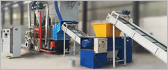
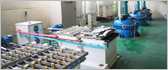
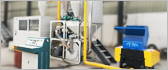
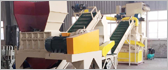


Due to the structural composition of PCB circuit boards—in which a resin substrate is tightly bonded to copper foil circuitry—effective separation is difficult to achieve without proper processing methods, thereby directly impacting their recycling value. Consequently, an equipment system centered on "high-efficiency crushing followed by precision sorting" has emerged as the key to maximizing copper recovery rates.
The entire PCB recycling production line is structured around a core sequence of multi-stage crushing and sorting. The material first enters the system via a dual-shaft shredder, which performs the initial coarse crushing of whole circuit boards. Engineered with a low-speed, high-torque design, this unit effortlessly processes high-hardness, structurally complex PCB boards, shredding them into smaller fragments to ensure a stable feed for subsequent stages. Compared to direct fine crushing, this preliminary step effectively reduces energy consumption while simultaneously minimizing equipment wear and tear.
Subsequently, the material proceeds to a hammer mill for secondary processing. Through high-speed impact action, the already shredded PCBs are further broken down, initiating the preliminary detachment of the copper foil from the resin substrate. The critical objective at this stage is "dissociation"—separating the bonded components—rather than mere size reduction; thus, the structural design of the equipment directly determines the degree of separation achieved between the copper and non-metallic materials.
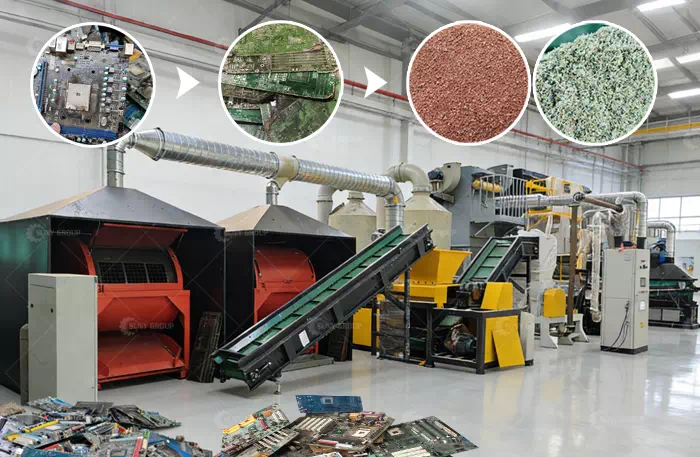
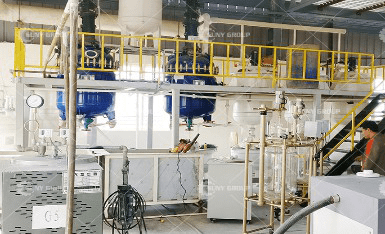
PCB cuircuit waste board to seperate copper doing machine
Building upon this foundation, the material is fed into a grinding system for fine processing. Through continuous friction and shearing forces, the mixture is ground into fine particles or even a powdery state, facilitating a more thorough physical separation between the copper and non-metallic materials. The greater the uniformity of the particle size, the more stable and effective the subsequent sorting results will be; therefore, this stage exerts a decisive influence on the overall recovery efficiency of the entire production line.
Once the fine grinding is complete, the system enters the multi-stage sorting phase. Utilizing a combined array of technologies—including airflow classification, gravity separation, and electrostatic separation—copper powder is progressively separated from the resin powder. Specifically, airflow classification primarily removes lightweight dust and fines; gravity separation further segregates materials based on their differing densities; and electrostatic separation leverages differences in electrical conductivity to achieve a precise separation of the copper powder from the non-metallic components. By working in synergy, these multi-stage sorting processes significantly enhance both the purity and the recovery rate of the copper.
The core advantage of this complete PCB separation system lies in the seamless integration of its processes and the clearly defined hierarchy of its sorting stages. From coarse crushing to fine grinding, and finally to precision separation, every stage of the process is designed with a singular focus: maximizing copper recovery efficiency. This ensures that the equipment not only operates with exceptional stability but is also capable of adapting to the diverse processing requirements of various types of waste circuit boards.
If your priority lies in the tangible economic returns of resource recovery—rather than mere waste disposal—then this type of systematic and precision-engineered PCB recycling equipment is what truly delivers long-term value.
Thank you for your interest in suny group. If you want to learn more about our E-waste recycling plant, copper wire recycling machine and other machines, Contact us now to find out what we can do for you next project!E-mail:[email protected] | Whatsapp:+8613674945231