Recycling equipment manufacturerFor a green future
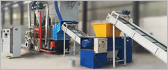
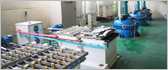
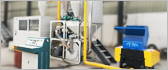
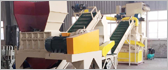
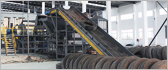


Medical blister packaging recycling equipment is primarily designed to process discarded pharmaceutical blister packs, capsule sheets, and aluminum-plastic packaging waste. Through processes such as crushing, pulverizing, airflow sorting, and electrostatic separation, the system efficiently separates PVC plastic from aluminum foil. This not only reduces the accumulation of medical packaging waste but also enhances the reuse value of discarded aluminum-plastic materials, making it an ideal solution for pharmaceutical packaging recycling enterprises and the solid waste treatment industry.
Core Workflow of Medical Blister Recycling Equipment
Medical blister packaging typically consists of a composite structure of PVC plastic and aluminum foil. Traditional manual processing methods suffer from low efficiency and incomplete separation. In contrast, medical blister recycling equipment executes the entire processing workflow through automated means.
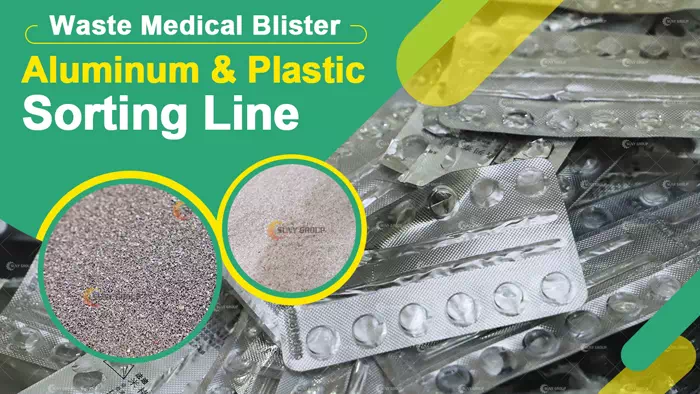
Medical Blister Recycling Machine
The equipment begins by conveying the discarded blister packs into a crusher via a feeding system. Once the material has been shredded into small particles, it proceeds to the pulverizing system. Leveraging the differences in weight and electrical conductivity between aluminum and plastic, subsequent airflow sorting and electrostatic separation units achieve precise separation. The final output consists of relatively pure aluminum powder and plastic granules, which are then ready for subsequent recycling and reuse.
A complete production line typically comprises a feeding machine, crusher, pulverizer, airflow sorting system, electrostatic separator, and dust removal equipment. The system operates with a high degree of automation, ensuring continuous and stable performance.
Equipment Features and Application Advantages
The primary focus of medical blister recycling equipment lies in its separation efficiency and environmental performance. Since blister pack materials are relatively lightweight and often contain residual dust, the equipment is typically outfitted with a pulse dust removal system to mitigate dust pollution during the production process.
Compared to traditional disposal methods such as incineration or landfilling, mechanical recycling preserves the reuse value of both the aluminum and plastic components, thereby minimizing resource waste. For enterprises with high processing volumes, equipment models can be configured to meet specific capacity requirements; solutions range from small-scale pilot lines to large-scale continuous production lines, all of which can be customized.
Furthermore, certain equipment models are capable of processing a wider range of materials—including aluminum-plastic trim scraps, food blister packaging, and select types of electronic packaging waste—thereby maximizing equipment utilization and operational efficiency.
Thank you for your interest in suny group. If you want to learn more about our E-waste recycling plant, copper wire recycling machine and other machines, Contact us now to find out what we can do for you next project!E-mail:[email protected] | Whatsapp:+8613674945231