Recycling equipment manufacturerFor a green future
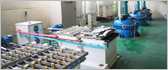
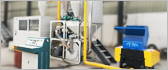
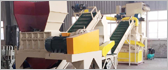
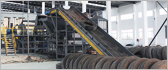


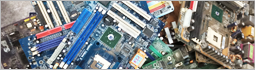
Components found in electronic waste—such as circuit boards, CPU chips, memory modules, and gold-plated connectors—contain varying proportions of precious metals, including gold, copper, and silver. The function of electronic waste gold recovery equipment is to isolate these precious metals from complex waste streams through processes such as crushing, sorting, thermal treatment, or chemical extraction. Compared to traditional manual dismantling, modern mechanized gold recovery production lines typically achieve metal recovery rates exceeding 95%; furthermore, certain refined processes can even further enhance the purity of the recovered gold.
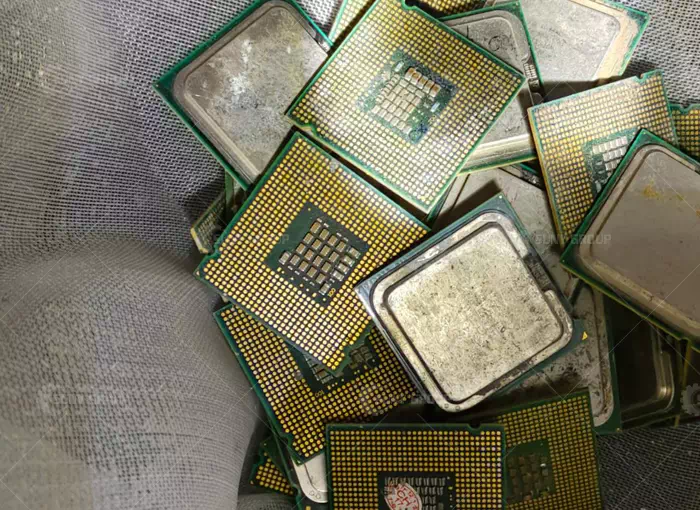
Key Components of Electronic Waste Gold Recovery Equipment
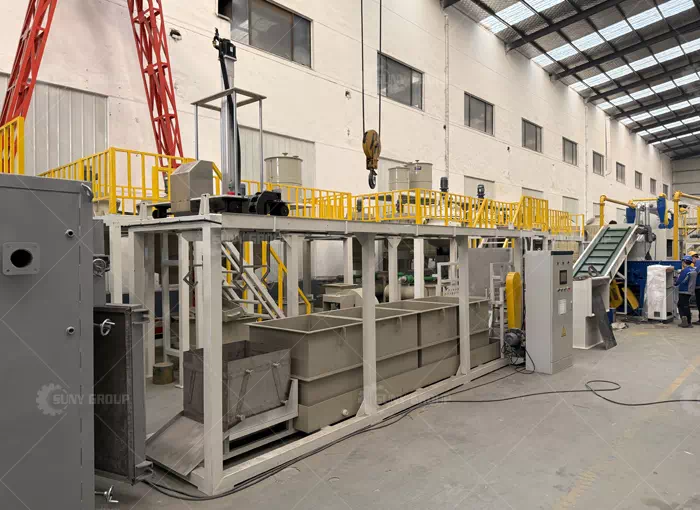
A complete production line for recovering gold from electronic waste is not a single machine, but rather an integrated system comprising multiple process modules. The front-end typically includes a dual-shaft shredder, a hammer mill, and a pulverizing system, designed to break down materials—such as discarded circuit boards and electronic components—into smaller particles. The greater the uniformity of the particle size, the higher the efficiency of the subsequent sorting stages.
Following the crushing phase, the material proceeds to stages involving airflow sorting, electrostatic separation, and gravity separation. Given the significant differences in electrical conductivity and density between metals and materials such as resins and fiberglass, electrostatic separators can effectively separate copper powder from non-metallic powders. When processing gold-bearing circuit boards, high-precision electrostatic separation equipment is crucial to minimizing precious-metal losses—an issue often overlooked in lower-end production lines.
For certain high-value electronic waste streams, the system may also be equipped with a pyrolysis furnace or an eco-friendly chemical extraction system. Pyrolysis equipment is primarily used to separate resin layers from metal layers, thereby reducing the volume of chemical reagents required in subsequent steps while simultaneously mitigating flue gas pollution. Unlike traditional open-air burning methods, modern pyrolysis systems are typically equipped with exhaust gas purification systems to minimize emissions of dioxins and other harmful gases.
>For Gold Recovery Equipment, Profitability Is Not Solely Determined by "Gold Content"
Many people assume that the profitability of electronic waste recycling depends entirely on the gold content of the materials; however, in reality, the critical factors are the equipment's consistent recovery capability and its ability to minimize material loss.
For instance, when processing the same quantity—say, one ton—of high-end circuit boards, the metal loss rates between different types of equipment can vary by as much as 5% to 10%. When dealing with high-value circuit boards, a discrepancy of this magnitude can have a direct and significant impact on the final profit margin. The reason many small-scale recycling workshops struggle to sustain long-term operations is not a shortage of raw materials, but rather a combination of low sorting precision, substantial material loss due to dust generation, and the inherent inefficiency of manual sorting processes. Furthermore, electronic waste is chemically complex, and the metal composition of circuit boards varies significantly depending on their country of origin and era of manufacture. An increasing number of recycling enterprises are now adopting modular equipment designs, allowing them to adjust crushing particle sizes and sorting parameters to suit different raw materials—such as CPU boards, communication boards, and automotive electronics boards. This flexibility is far more critical than the mere pursuit of large-scale machinery.
Environmental Protection and Automation: The New Industry Watershed
Historically, the greatest challenges facing the electronic waste gold recovery sector were severe environmental pollution and a heavy reliance on manual labor. In recent years, however, environmental regulations have become increasingly stringent, leading to the gradual phasing out of traditional methods such as acid leaching and open-air incineration. Modern mainstream equipment now places a strong emphasis on closed-loop production systems, incorporating negative-pressure dust removal systems, wastewater recycling loops, and exhaust gas purification units.
Concurrently, the level of automation within the industry is rising rapidly. Some cutting-edge electronic waste recycling lines have already begun integrating PLC-based intelligent control systems to automate material feeding, sorting, and operational monitoring. This not only reduces labor costs but also enhances the stability and reliability of continuous equipment operation.
If you are interested in the field of gold recovery from electronic waste, we invite you to contact us at any time to learn more and discuss further details.
Thank you for your interest in suny group. If you want to learn more about our E-waste recycling plant, copper wire recycling machine and other machines, Contact us now to find out what we can do for you next project!E-mail:[email protected] | Whatsapp:+8613674945231