Recycling equipment manufacturerFor a green future
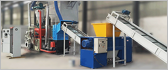
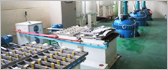
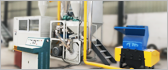
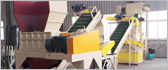


Lithium-ion battery recycling production lines transform waste lithium-ion batteries into recyclable materials such as black powder, copper, and aluminum through crushing, screening, sorting, and subsequent refining processes. The black powder refining system further extracts valuable metals such as lithium, nickel, and cobalt; the specific recovery rate depends on the battery type, raw material composition, and process configuration.
Lithium-ion battery recycling typically includes three stages: pretreatment, crushing and sorting, and material recovery. Equipment configurations differ depending on the source of the waste, such as retired power batteries, consumer electronics batteries, and production scraps.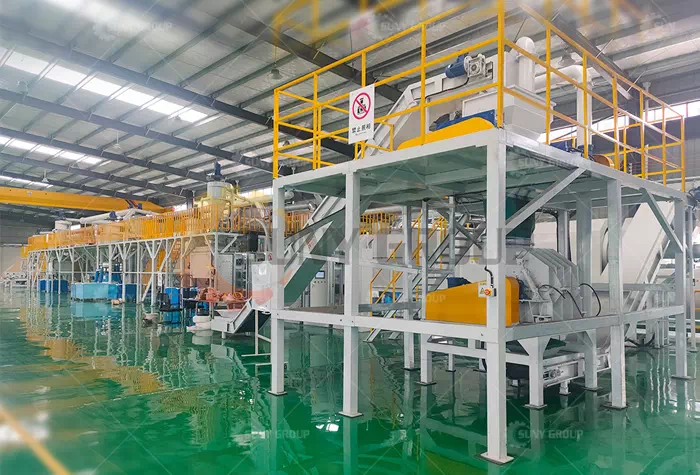
Lithium Battery Recycling Plant and Black Mass Refining System
>
The pretreatment stage can be equipped with discharge, dismantling, or inert atmosphere treatment equipment depending on the state of the raw materials to reduce the risks of subsequent processing. The crushing system typically consists of a twin-shaft shredder, a fine crusher, and conveying equipment, crushing the battery materials in stages. Subsequently, screening, airflow separation, and magnetic separation equipment separate some of the casing, ferrous impurities, and other components, while enriching the black powder containing positive and negative electrode active materials.
Lithium black powder is a powdery material obtained after the crushing and sorting of lithium batteries. It typically contains components such as lithium, nickel, cobalt, manganese, and graphite, with its composition varying depending on the battery's chemistry. Lithium black powder refining primarily employs hydrometallurgy, but other processes can be selected depending on the raw material and product requirements.
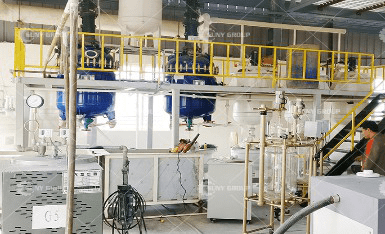
Hydrometallurgical refining equipment typically includes a leaching reactor, solid-liquid separation equipment, a filtration system, impurity removal devices, and precipitation reaction equipment. After leaching, valuable metals enter the solution and are then separated and recovered through impurity removal, extraction, or precipitation processes. If battery-grade materials are to be produced, corresponding purification, crystallization, and drying equipment are also required.
Equipment selection should not only consider processing capacity but also feed size, battery type, lithium black powder particle size, metal recovery rate, and exhaust gas treatment requirements. The crushing section requires careful consideration of dust control, temperature rise monitoring, and fire prevention measures; the refining section needs to calculate reagent consumption, wastewater treatment capacity, and product purity.
For companies planning to build lithium battery recycling or black powder refining plants, it is recommended to conduct raw material composition analysis and pilot tests first, and then determine the equipment combination, design capacity and process route to avoid equipment mismatch or excessive subsequent operating costs due to raw material differences.
Thank you for your interest in suny group. If you want to learn more about our E-waste recycling plant, copper wire recycling machine and other machines, Contact us now to find out what we can do for you next project!E-mail:[email protected] | Whatsapp:+8613674945231