Recycling equipment manufacturerFor a green future
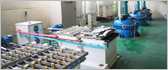
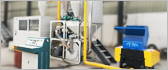
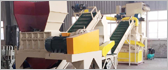
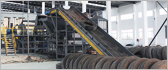


Lithium battery recycling equipment constitutes a specialized system designed to process spent power batteries and energy storage batteries. Through processes such as discharging, dismantling, shredding, and sorting, the system recovers cathode and anode materials, copper and aluminum metals, and "black mass."
A typical lithium battery recycling line comprises a pre-discharging system, automated dismantling equipment, a shredding system, and air classification and dust collection systems. The pre-discharging stage eliminates residual electrical energy, thereby preventing short circuits and thermal runaway risks during subsequent shredding. The dismantling stage separates the battery casing from the module structure, enhancing the efficiency of downstream processing.
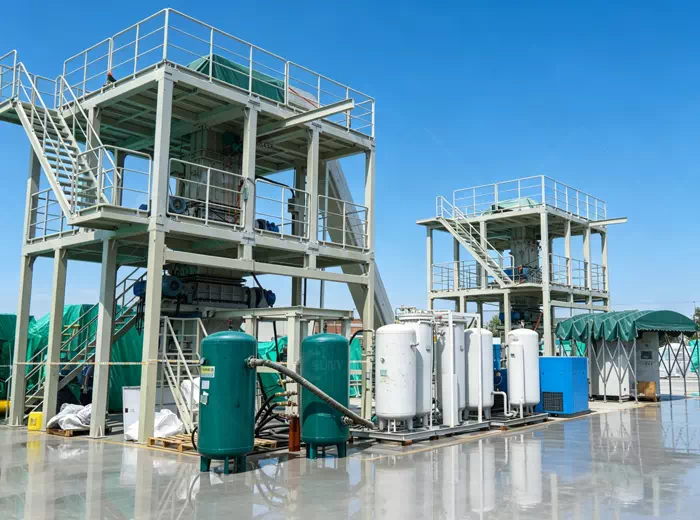
Guide to Lithium Battery Recycling Machinery
The shredding system generally employs a low-speed, dual-shaft shredding mechanism—typically operating at 20–40 rpm—to minimize heat accumulation. Material then enters a multi-stage sorting system where specific gravity, airflow, and magnetic separation are used to achieve the initial separation of copper, aluminum, and black mass; overall recovery rates can reach 85%–95%, depending on battery type and the precision of upstream sorting.
The core performance criteria for lithium battery recycling equipment are stability, safety, and separation precision. Shredding equipment typically uses corrosion-resistant alloy blades and sealed enclosures to minimize wear from residual electrolyte. Air classification systems employ precise airflow pressure control to effectively separate lightweight black mass from metal particles.
Some high-end production lines incorporate negative-pressure dust removal systems and inert gas protection modules to mitigate the risk of dust explosions. The entire line typically features a modular design, allowing processing capacities to scale from 500 kg/h to 3,000 kg/h, thereby meeting needs ranging from small-to-medium scale to industrial-level operations.
As the global volume of retired power batteries grows annually, lithium battery recycling has entered a phase of large-scale operation. Data indicates that the volume of retired power batteries worldwide is projected to exceed 1,000 GWh by 2030, driving a sustained rise in demand for recycling equipment.
In terms of equipment trends, the industry is evolving from standalone processing units to fully automated production lines, with a focus on enhancing safety controls and metal recovery purity. Simultaneously, low energy consumption and enclosed, eco-friendly designs are becoming the mainstream standard to comply with increasingly stringent environmental regulations. The core value of lithium battery recycling equipment lies in "safe processing and efficient sorting"; this not only determines the resource recovery rate but also directly impacts the economic viability of downstream material reuse.
Thank you for your interest in suny group. If you want to learn more about our E-waste recycling plant, copper wire recycling machine and other machines, Contact us now to find out what we can do for you next project!E-mail:[email protected] | Whatsapp:+8613674945231