Recycling equipment manufacturerFor a green future
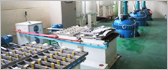
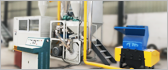
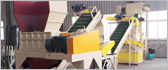
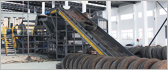


Gold stripping equipment for waste circuit boards (PCBs), CPU processors, and electronic components is primarily used to peel and recover the gold layer from the surface of electronic waste, reducing metal loss and providing raw materials for subsequent precious metal refining. The equipment can employ chemical stripping or other suitable processes depending on the material type to effectively separate precious metals from the substrate.
Gold-containing areas in electronic waste mainly include gold fingers on circuit boards, CPU pins, connector contacts, and the gold plating layer of some electronic components. Different materials vary significantly in plating thickness, substrate structure, and gold content; therefore, the same processing parameters cannot be directly applied.
For example, PCB gold fingers typically use a copper alloy substrate with a gold-plated surface; CPU processors may contain gold-plated pins, contacts, or other metal structures. For mixed electronic waste, it is recommended to first perform manual or mechanical sorting to separate high-gold-content connectors, CPUs, and ordinary circuit boards. This helps improve subsequent recycling efficiency and reduces the impact of impurities on the stripping process.
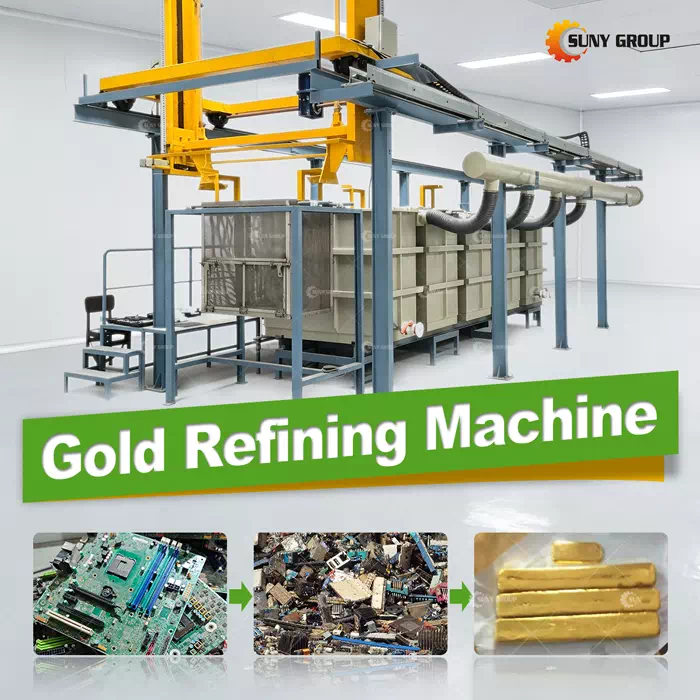
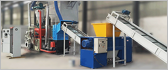
E Waste Scrap PCB Board CPU ARM Gold Deplating Machine
Chemical stripping equipment typically consists of a stripping tank, a corrosion-resistant circulation system, a heating or temperature control device, a filtration device, and a waste gas collection system. After the material enters the processing tank, the stripping solution comes into contact with the gold-plated surface, causing the gold layer to enter the solution or form gold-containing material that can be further recovered. The gold is then recovered through subsequent separation, precipitation, or refining processes.
The equipment's performance depends primarily on the plating condition, the processing solution system, temperature, reaction time, and the degree of contact between the material and the solution. For complex structures like CPUs and connectors, blind spots, gaps, and differences in reaction between different metals must also be considered.
During actual equipment selection, key considerations should be verified regarding the single-batch processing capacity, effective tank volume, circulation filtration capacity, corrosion-resistant materials, and level of automation. It is important to note that the stripping rate does not equal the final gold recovery rate; the latter also depends on the recovery, filtration, and refining of gold in the solution.
The gold stripping process involves chemical agents and gold-containing wastewater. The equipment should be equipped with closed or localized exhaust ventilation, waste gas collection, and suitable purification facilities, and a wastewater collection and treatment system should be configured according to process requirements. Gold-containing solutions, cleaning solutions, and filter residues should also be collected separately to prevent precious metal loss and cross-mixing of contaminants.
Evaluating a PCB and CPU gold stripping system requires more than just processing speed. It's essential to comprehensively consider factors such as unit material consumption, gold recovery rate, reagent costs, wastewater treatment costs, and final product purity. It's recommended to first conduct gold content testing and small-batch trials on representative materials before determining equipment specifications and process parameters.
Only a well-configured system for stripping, solid-liquid separation, and precious metal recovery can ensure more effective recycling of gold from waste electronic components.
Thank you for your interest in suny group. If you want to learn more about our E-waste recycling plant, copper wire recycling machine and other machines, Contact us now to find out what we can do for you next project!E-mail:[email protected] | Whatsapp:+8613674945231